
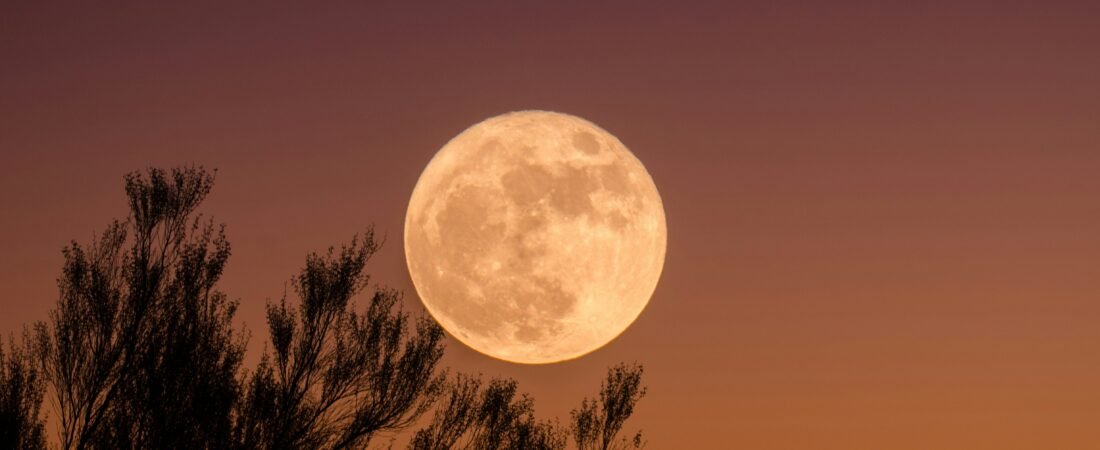

Photo by Ganapathy Kumar on Unsplash
For thousands of years, humanity has looked up at the Moon and imagined reaching it. Now that returning there is no longer just a distant dream, a different question is becoming impossible to ignore: who actually owns the Moon?
It may seem obvious at first. The United States planted its flag there in 1969, when Neil Armstrong and Buzz Aldrin became the first people to walk on the lunar surface during Apollo 11.
But a flag is not a property deed.
The answer, at least for now, is surprisingly simple: nobody owns the Moon. The harder question is whether that answer can survive a future filled with lunar bases, mining operations, private companies, and permanent settlements.
A Flag on the Moon Does Not Create Ownership
The American flag left on the Moon is one of the most powerful symbols in human history. It represents an extraordinary achievement in exploration, engineering, and courage. But it did not make the Moon American territory.
International law draws a clear line between reaching a place and claiming it. A country cannot simply arrive, plant a flag, and announce that an entire region of the lunar surface now belongs to it.
That principle matters because space is not meant to become a version of Earth where the first nation to arrive claims everything of value around it.
The Outer Space Treaty and the Rule Against National Claims
In 1967, the United States, the Soviet Union, the United Kingdom, and several other nations signed the Outer Space Treaty. It became one of the foundational agreements in international space law.
Its central idea is straightforward: outer space, including the Moon and other celestial bodies, cannot be subject to national appropriation.
In practical terms, this means no country can claim sovereignty over the Moon. No government can redraw a lunar map, mark off a region, and treat it as national territory.
So despite the Apollo flag, the Moon does not belong to the United States. It does not belong to Russia, China, the United Kingdom, or any other nation either.

Can a Private Person Buy Land on the Moon?
Over the years, some entrepreneurs have argued that the treaty only prevents countries from claiming the Moon. From that interpretation came an unusual business: selling supposed plots of lunar land.
Customers could buy novelty lunar deeds, certificates, and documents claiming they owned a piece of the Moon. Millions of acres of extraterrestrial property have reportedly been offered for sale in one form or another.
It is a fascinating idea. It is also not legally meaningful.
A certificate claiming that you own lunar land does not create internationally recognized ownership. There is no recognized global authority that can grant a legitimate title to a crater, valley, or lunar plot.
That is the core problem with these deeds: a property claim only has weight when a legal system recognizes, records, and enforces it. No such system currently exists for private ownership of the lunar surface.
The Difference Between a Novelty Certificate and a Legal Title
- A novelty certificate is a symbolic or commercial document sold by a private party.
- A legal title requires a recognized authority with the power to grant and protect ownership rights.
- Lunar land ownership currently lacks that recognized authority and enforcement system.
So buying a piece of the Moon may make for an interesting conversation, but it does not give someone a legally enforceable claim to a place beyond Earth.

Why the Moon Is Becoming Valuable Real Estate
The ownership question is no longer just a strange legal thought experiment. NASA and other space agencies are planning future lunar missions, and the Moon may contain resources that could become extremely valuable.
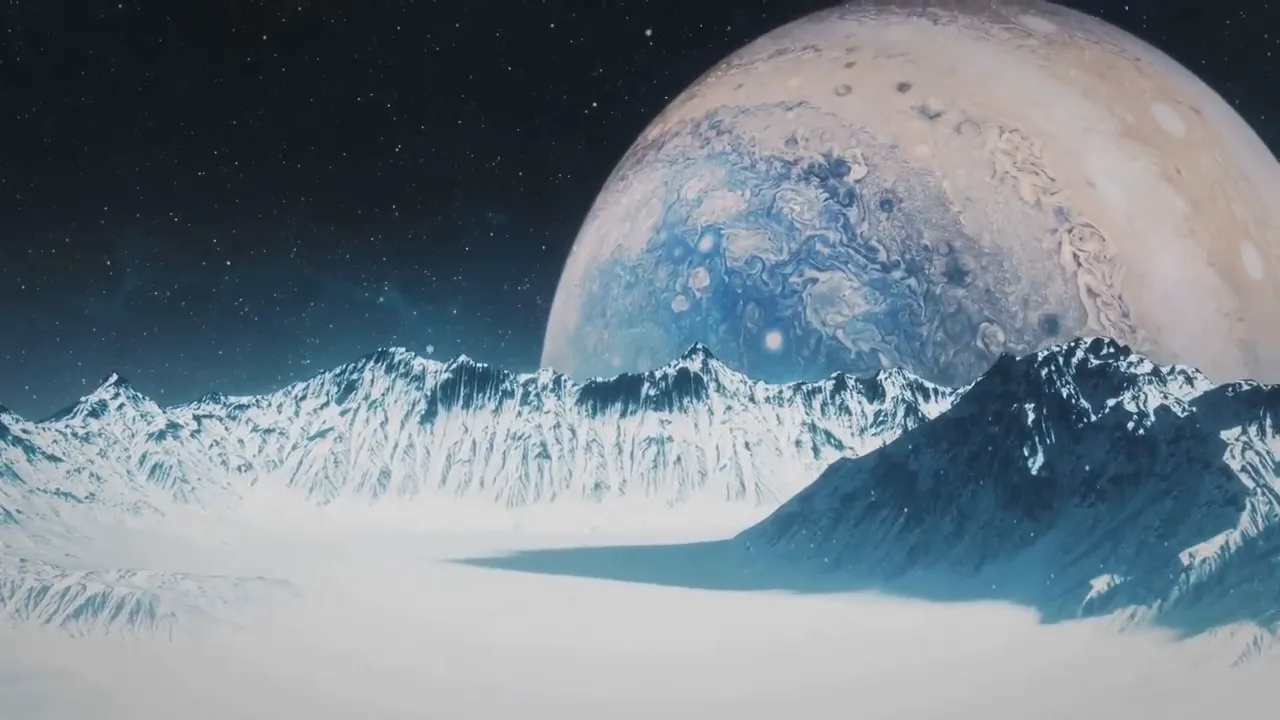
One of the biggest areas of interest is water ice near the lunar poles. That ice could potentially be used for:
- Drinking water for people working on the Moon
- Oxygen production
- Rocket fuel for missions traveling farther into space
That possibility changes the conversation. The Moon is no longer only a distant object in the night sky or a destination for historic first steps. It could become a critical staging point for deeper space exploration.
If water and other resources can support missions, lunar sites may become strategically important. The locations with the best access to those resources could be the places every nation and company wants to reach first.
Owning Resources Is Not the Same as Owning the Land
Several countries have created laws allowing private companies to own resources they extract from space. That is an important distinction.
There is a major difference between saying, “We extracted this material and can own it,” and saying, “We own the ground beneath it.”
The first idea concerns resources that have been removed and used. The second concerns sovereignty and territorial control. International space law continues to reject the idea that a nation can simply claim part of the Moon itself.
Still, that distinction could become much harder to manage once extraction is no longer theoretical.
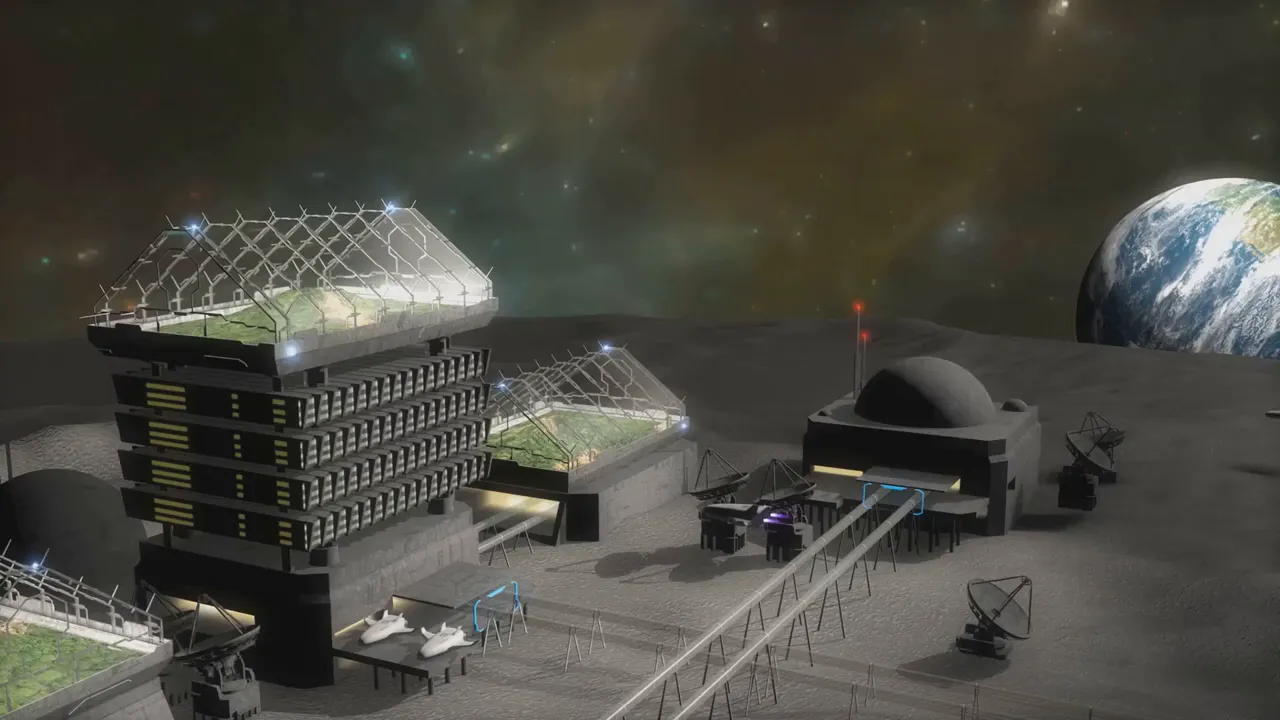
Imagine a mining company establishing the first major base near a valuable resource site. How much territory around that base could it realistically control? Could another company construct a facility right beside it? What happens if several nations and private organizations want access to the same lunar location?
These are not simple questions, because the rules were written during the space race, long before permanent lunar operations and commercial extraction became realistic possibilities.
The Disputes a Lunar Economy Could Create
A future Moon filled with infrastructure would create practical conflicts that current law does not fully answer.
- How close can a second base be built to an existing operation?
- Who decides whether one mission interferes with another?
- How are disputes settled between companies from different countries?
- Who gets priority access to limited and valuable locations?
- How can resource extraction happen without becoming a disguised land claim?
These questions become especially urgent if the most useful water ice and operational sites are concentrated in a limited number of places. A base may not formally own the surrounding ground, yet it could still exert enormous practical control over access to it.
No Country, President, Billionaire, or Corporation Owns the Moon
For now, international space law maintains a clear position: no nation can claim sovereignty over the Moon.
The Moon belongs to no single country, no president, no billionaire, and no corporation. It remains beyond national ownership, even as interest in reaching, using, and eventually living there continues to grow.
That does not mean the Moon is free from competition. It means the competition must take place inside a legal framework that was designed to prevent outright territorial claims.
The Real Question Is Who Gets to Decide What Happens There
Humanity may eventually live and work on the Moon. Companies may extract resources. Settlements may be built. The challenge will not simply be proving that we can reach the lunar surface again.
The bigger challenge will be deciding who gets to make the rules once activity there becomes permanent, valuable, and crowded.
Right now, the answer to “Who owns the Moon?” is nobody. But as humanity moves closer to a lasting presence beyond Earth, the real question may be how long that answer remains so simple.
You might enjoy:
The Moon: From Imagination to Exploration https://amzn.to/4yVX5wQ
Disclaimer: As an Amazon Associate, I earn commission from qualifying purchases at no extra cost to you.